
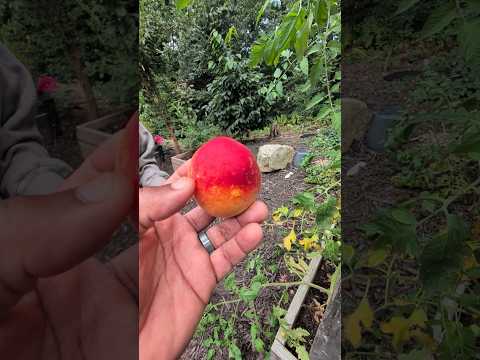
This Peach Had No Business Being This Good 🍑😳

Discover the delightful journey of growing peaches in your home garden. Learn the tips and tricks to cultivate the sweetest peaches that will elevate your gardening experience.

At a glance
Key Takeaways

Choose the Right Variety
Select a peach variety that thrives in your climate and meets your culinary needs.

Water Wisely
Ensure deep watering for young trees to promote strong roots while avoiding overwatering.

Regular Pruning
Annual pruning is essential for maintaining tree health and maximizing fruit production.

Harvest at the Right Time
Pick peaches when they are slightly soft and fragrant for the best flavor.
Picking fruit straight from your garden is a rewarding experience, especially when it comes to peaches. In this guide, we’ll explore the ins and outs of growing peaches at home, ensuring you can enjoy the sweetest fruit that just hits differently. With the right techniques, your peach tree can become a thriving part of your garden that provides delicious fruit for years to come.
Why Grow Peaches?
Peaches are not only delicious but also relatively easy to grow in the right conditions. They offer a unique flavor that store-bought varieties often lack. Plus, homegrown peaches can be organic, free from harmful pesticides, and picked at the peak of ripeness for maximum sweetness. The joy of biting into a perfectly ripe peach, with its juicy flesh and fragrant aroma, is an experience that every gardener should savor.
Health Benefits of Peaches
Peaches are not just a tasty treat; they are also packed with nutrients. They are a good source of vitamins A and C, which are essential for skin health and boosting the immune system. Additionally, peaches are low in calories and rich in antioxidants, making them a healthy snack option. Including peaches in your diet can promote overall health and wellness.
Choosing the Right Variety
When selecting a peach variety, it's essential to consider your climate and intended use. Here are some factors to keep in mind:
- Clingstone vs. Freestone: Clingstone peaches have flesh that clings to the pit, while freestone peaches have flesh that separates easily. Choose based on your intended use—cooking or fresh eating. Freestone peaches are often preferred for canning and baking due to their ease of pitting.
- Climate Considerations: Ensure you select a variety suited for your climate zone. Some peaches require chilling hours (a certain number of cold winter days) to produce fruit. Research local varieties that thrive in your area.
- Flavor Profiles: Different varieties of peaches offer varying flavor profiles. Some are sweeter, while others have a more tart flavor. Taste-testing different varieties can help you decide which ones you prefer to grow.
Recommended Peach Varieties
- Elberta: A popular freestone variety known for its sweet flavor and juiciness. It is great for fresh eating and canning.
- Red Haven: Another freestone variety that ripens early in the season. It is known for its rich flavor and firm texture.
- Hale Haven: This is a great choice for colder climates, producing large, sweet peaches that are perfect for fresh eating.
Planting Your Peach Tree
Planting a peach tree requires careful consideration of location and soil conditions. Here are some detailed steps to get you started:
- Choose a Sunny Spot: Peaches thrive in full sun, so select a location that receives at least 6-8 hours of sunlight daily. A sunny spot not only helps with fruit production but also keeps the tree healthy.
- Prepare the Soil: Peaches prefer well-drained sandy loam. Amend your soil with organic matter like compost to improve drainage and nutrient content. Conduct a soil test to ensure the pH is between 6.0 and 7.0, which is ideal for peach trees.
- Space Properly: Ensure adequate space between trees (15-20 feet) to allow for air circulation and growth. This spacing helps prevent diseases that thrive in humid conditions.
- Planting Depth: When planting, dig a hole that is twice as wide as the root ball and just deep enough so that the graft union (where the tree was grafted onto the rootstock) is above soil level. This is crucial for the health of the tree.
- Water Immediately: After planting, water the tree thoroughly to help settle the soil around the roots. Continue to provide regular water until the tree is established.
Care and Maintenance
Once planted, your peach tree will need regular care to thrive. Proper maintenance is crucial for ensuring healthy growth and maximizing fruit production:
- Watering: Water young trees deeply but infrequently to encourage deep root growth. As trees mature, adjust your watering schedule based on rainfall and soil moisture. A general rule is to water once a week during dry spells, but be cautious not to overwater, which can lead to root rot.
- Fertilization: Use a balanced fertilizer in early spring to promote healthy growth, following the instructions for application rates. Fertilizers high in potassium can enhance fruit quality. Consider using organic options like compost or well-rotted manure.
- Pruning: Prune your tree annually to maintain shape, remove dead or diseased wood, and improve air circulation. The best time to prune is in late winter or early spring before new growth begins. This helps to encourage a strong framework for future fruiting branches.
- Pest Control: Monitor your tree regularly for signs of pests or diseases. Use organic pesticides or natural remedies to manage infestations. Keeping the area around the tree clean and free from fallen fruit can help reduce pest attractants.
- Mulching: Apply a layer of mulch around the base of the tree to help retain soil moisture, suppress weeds, and regulate soil temperature. Organic mulch, like wood chips or straw, can also improve soil quality as it breaks down.
Common Mistakes to Avoid
While growing peaches can be rewarding, there are common pitfalls to avoid:
- Overwatering: Excessive moisture can lead to root rot and other diseases. Ensure your tree is not sitting in waterlogged soil. Be mindful of rainfall and adjust your watering schedule accordingly.
- Neglecting Pest Control: Be vigilant about pests like aphids, spider mites, and peach tree borers. Use organic pest control methods when necessary to protect your tree. Regularly inspect the leaves and fruit for any signs of damage.
- Ignoring Pruning: Regular pruning is essential for fruit production and tree health. Don’t skip this crucial step! Pruning helps to promote better air circulation and sunlight penetration, which are vital for fruit development.
- Planting in Poor Soil: Ensure you amend your soil before planting. Poor soil quality can stunt your tree’s growth and reduce fruit yield.
- Harvesting Too Early or Too Late: Timing your harvest is critical. Peaches are ripe when they are slightly soft to the touch and have a fragrant aroma. Picking them too early will result in sour fruit, while overripe peaches can become mushy.
Harvesting Your Peaches
Timing your harvest is critical to enjoy the best flavor. Peaches are ripe when they are slightly soft to the touch and have a fragrant aroma. Here are some tips for harvesting:
- Check for Color: Look for a rich color that indicates ripeness. The ground color of the peach should change from green to a golden hue.
- Handle Gently: Peaches bruise easily, so handle them with care to avoid damaging the fruit. Use both hands to gently twist and pull the peach from the branch.
- Store Properly: After harvesting, store peaches at room temperature until they ripen fully. Once ripe, they can be refrigerated to prolong freshness, but they taste best when eaten at room temperature.
Key Takeaways
- Choose the right peach variety for your climate and intended use, considering factors like flavor and ripening time.
- Plant in well-drained soil and full sun for optimal growth, ensuring proper spacing between trees.
- Regular care, including watering, fertilizing, and pruning, is essential for a healthy peach tree.
- Avoid common mistakes like overwatering and neglecting pest control to ensure a bountiful harvest.
- Harvest peaches when they are slightly soft and aromatic for the best flavor experience.
Frequently Asked Questions
How long does it take for a peach tree to bear fruit?
Most peach trees will start producing fruit in about 3-4 years after planting. The initial years are focused on establishing a strong root system and healthy growth.
Do I need multiple trees to produce fruit?
Most peach trees are self-pollinating; however, planting multiple varieties can improve fruit yield and quality through cross-pollination.
What is the best time to prune peach trees?
Pruning should be done in late winter or early spring before new growth begins. This encourages the tree to focus energy on fruit production rather than excessive foliage.
Can I grow peaches in containers?
Yes, peaches can be grown in containers, especially dwarf varieties. Ensure the container is large enough (at least 15 gallons) to accommodate root growth and use quality potting soil.
What pests should I be aware of when growing peaches?
Common pests include aphids, spider mites, and peach tree borers. Regular inspections and using organic controls can help manage these pests effectively.
Photos from this idea
Helpful products for this project
These products were matched to the materials, tools, and care steps discussed in the article.
- Just Good Soil Essential Nutrient Protocol - 3-Step Soil Food System for Organic & Regenerative Gardening, Organic Plant Food & Soil Enhancer for Home Gardening - Sprout_01, Rise_02 & Replenish_03 - View Product: COMPLETE 3-STEP SOIL FOOD SYSTEM: Includes Sprout_01 Soil Life Kickstarter...
- BN-LINK 5-Pack 10 Gallon Grow Bags, Heavy Duty Aeration Fabric Pots with Handles, Thickened Nonwoven Plant Bags for Vegetables, Flowers, Fruits - View Product: 【Durable & Eco-Friendly Material】: Crafted from 300g BPA-free non-woven fabric...
- PERWIN Hori Hori Garden Knife, Garden Tools with Sheath for Weeding, Planting, Digging, 7" Stainless Steel Blade with Cutting Edge, Full-Tang Walnut Wood Handle with Hanging Hole - View Product: Wonderfully Versatile: Hori Hori garden knife for every job in the garden, use it...
- Root Genie Smart Garden Fertilizing System | attachments Include Metal Pistol Grip Spray Nozzle, Fertilizer Canister and Ball Valve | Great for All Flower, Plant, Trees and Vegetables Gardens. - View Product: Consider a plants mouth the roots.
- Riare 10LBS Coco Chips Substrate for Plants- 100% Organic Coconut Husk Chips with Low EC and pH Balanced, High Expansion Coconut Substrate Coco Husk Mulch for Garden Flowers, Herbs, Planting - View Product: Organic Coconut Chip: You will get 10 lbs coco chips bricks planting substrate...
Source: Watch the original YouTube Short.
Frequently Asked Questions
Most peach trees will start producing fruit in about 3-4 years after planting. The initial years are focused on establishing a strong root system and healthy growth.
Most peach trees are self-pollinating; however, planting multiple varieties can improve fruit yield and quality through cross-pollination.
Pruning should be done in late winter or early spring before new growth begins. This encourages the tree to focus energy on fruit production rather than excessive foliage.
Yes, peaches can be grown in containers, especially dwarf varieties. Ensure the container is large enough (at least 15 gallons) to accommodate root growth and use quality potting soil.
Common pests include aphids, spider mites, and peach tree borers. Regular inspections and using organic controls can help manage these pests effectively.
Keep exploring
Ready to Grow Your Own Peaches?
Explore our gardening resources and find the best products to help you succeed in your peach-growing journey.Visit Our ShopKeep growing
Suggested reading

A Jamaican Favorite Is Blooming in Connecticut! 🇯🇲
Discover how to grow the delicious naseberry tree in Connecticut, embracing a piece of Jamaican culture right in your backyard. Learn about the unique conditions, care tips, and the joy of witnessing this tropical fruit bloom in northern climates.
My Persimmon Tree FINALLY Produced! 👀
After three years of care, my persimmon tree has finally produced fruit! Join me as I share the journey, tips for growing persimmons, and what to expect as these fruits ripen in Connecticut.
0 comments
Comments (0)
We love hearing from our community. Share your thoughts, questions, or experience.
Have something to add?
Log in to post, react, share images, and join threads.
Newest First
All Comments
Showing 0-0 of 0
Start the conversation.
Questions and first-hand experience are welcome here.