
Will This Massive Citrus Make It to Christmas or Will We Harvest Early?

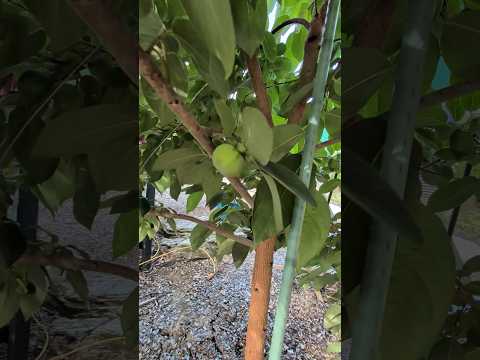
Explore the fascinating journey of growing a massive citrus tree, its care, and the decisions that influence its harvest timeline. Will it last through the holidays?


At a glance
Key Takeaways

Know When to Harvest
Look for vibrant color, firm texture, and a fragrant aroma to determine ripeness.

Proper Care is Essential
Consistent watering and fertilization will help your citrus thrive.

Common Mistakes to Avoid
Avoid overwatering and neglecting to prune to maintain tree health.

Make the Most of Your Harvest
Explore various culinary uses for your citrus fruits to enjoy their flavor.

Signs of a Healthy Citrus Tree
Monitor for vibrant leaves and consistent fruit production.
Growing a massive citrus tree can be an exciting adventure for any gardener. As the holidays approach, there is often a dilemma: should we wait until Christmas to harvest, or is it time to enjoy the fruits of our labor early? In this post, we will explore the factors that influence the timing of citrus harvesting and provide practical tips to ensure your citrus thrives.
The Importance of Timing in Citrus Harvesting
Timing is crucial when it comes to harvesting citrus fruits. Picking them too early can lead to a lack of flavor and juiciness, while waiting too long can result in overripe fruit that may spoil or lose quality. Understanding the signs of ripeness, the growth cycle of your citrus tree, and seasonal changes will help you make informed decisions about when to harvest.
Signs That Your Citrus is Ready to Harvest
- Color: The color of the fruit should be vibrant and consistent with the variety you are growing. For instance, lemons should be a bright yellow, while oranges should have a deep orange hue.
- Texture: The skin should feel slightly firm but yield to gentle pressure. A too-firm fruit may need more time, while overly soft fruit can be overripe.
- Aroma: A fragrant scent is often a good indicator that the fruit is ripe. If the fruit has a strong citrus smell, it's likely ready for harvest.
- Time of Year: Typically, citrus fruits are harvested in late fall to early winter, depending on the variety. For example, Meyer lemons are usually ready to pick in late fall, while navel oranges often ripen in the winter months.
Caring for Your Citrus Tree
Proper care throughout the growing season will affect both the health of your tree and the quality of your fruit. Here are some essential tips for growing a successful citrus tree:
- Watering: Citrus trees need consistent moisture but should not be waterlogged. Aim for deep watering once a week, allowing the soil to dry out slightly between waterings. In hot weather, you may need to water more frequently. Use mulch around the base of the tree to help retain moisture.
- Fertilization: Use a balanced fertilizer specifically formulated for citrus trees. Apply fertilizer in the spring when the tree begins to bloom, and again in the summer to support fruit development. Look for fertilizers that contain nitrogen, phosphorus, and potassium, along with micronutrients like magnesium and iron.
- Pest Control: Regularly inspect your tree for pests and diseases. Common pests include aphids, spider mites, and scale insects. Early intervention is key to maintaining a healthy tree. Use insecticidal soap or neem oil to control pests, and ensure good air circulation around the tree to reduce disease risk.
- Pruning: Prune your citrus tree to maintain its shape and encourage healthy growth. Remove any dead or diseased branches, and thin out crowded areas to improve air circulation. Pruning should be done in late winter or early spring before new growth begins.
Common Mistakes to Avoid
Even seasoned gardeners can make mistakes. Here are a few to watch out for:
- Overwatering: This can lead to root rot and other issues. Always check the soil moisture before watering.
- Ignoring Signs of Stress: Yellowing leaves or fruit drop can indicate nutrient deficiencies or environmental stress. If you notice these signs, assess your watering schedule and consider fertilizing.
- Neglecting Pruning: Regular pruning helps maintain shape and encourages air circulation, reducing disease risk. Don’t be afraid to remove excess growth to promote a healthier tree.
- Harvesting Too Early or Late: As discussed earlier, timing is crucial. Make sure to monitor your fruit closely as the harvest period approaches.
Next Steps: Enjoying Your Harvest
Once you’ve determined it’s time to harvest, make sure to enjoy your citrus in a variety of ways. Fresh fruit can be eaten raw, juiced, or used in a variety of recipes. Here are some ideas:
- Fresh Juices: Squeeze your fresh citrus to make delicious juices. Mix different varieties for unique flavors.
- Citrus Salads: Use segments of oranges or grapefruits in salads for a refreshing twist.
- Preserves and Jams: Make homemade citrus preserves or marmalades to enjoy throughout the year. These can also make great gifts during the holiday season.
- Culinary Uses: Incorporate citrus zest and juice into marinades, dressings, and desserts for added flavor.
As you navigate the journey of growing your citrus tree, remember that patience and care are key. Whether you decide to wait until Christmas or harvest early, the joy of gardening comes from the experience and the rewards it brings.
Frequently Asked Questions
- Can I grow citrus in a greenhouse? Yes, citrus trees thrive in greenhouse environments where temperature and humidity can be controlled. A greenhouse can extend your growing season and protect your trees from harsh weather conditions.
- What is the best way to store citrus fruits? Store them in a cool, dry place, or refrigerate them to extend shelf life. Citrus fruits can last several weeks in the refrigerator, especially if kept in a breathable bag or container.
- How can I tell if my citrus tree is healthy? Healthy citrus trees have vibrant green leaves, strong branches, and produce fruit consistently. Regularly monitor for signs of pests or disease and ensure proper care to maintain health.
- What should I do if my tree is not producing fruit? Lack of fruit can be due to insufficient sunlight, improper watering, or nutrient deficiencies. Ensure your tree is getting at least 6-8 hours of sunlight daily and review your care routine.
Photos from this idea
Helpful products for this project
These products were matched to the materials, tools, and care steps discussed in the article.
- Neem Bliss (16 Fl Oz) - Pure Neem Oil Concentrate - 100% Cold Pressed Neem Oil - All-Natural Neem Oil Concentrate - Pure Neem Oil Extract - Unrefined Neem Oil for Hair - Neem Seed Oil Concentrate - View Product: 100% Pure Neem Oil Extract - Plantonix Neem Bliss is pure, unrefined neem oil...
- Clonex Rooting Gel - High-Performance Rooting Compound for Plant Cuttings, Contains IBA, Promotes Root Initiation & Development - 100ml - View Product: HIGH-PERFORMANCE ROOTING GEL - Clonex Rooting Gel is a water-based formula with...
- Just Good Soil Essential Nutrient Protocol - 3-Step Soil Food System for Organic & Regenerative Gardening, Organic Plant Food & Soil Enhancer for Home Gardening - Sprout_01, Rise_02 & Replenish_03 - View Product: COMPLETE 3-STEP SOIL FOOD SYSTEM: Includes Sprout_01 Soil Life Kickstarter...
- Root Genie Smart Garden Fertilizing System | attachments Include Metal Pistol Grip Spray Nozzle, Fertilizer Canister and Ball Valve | Great for All Flower, Plant, Trees and Vegetables Gardens. - View Product: Consider a plants mouth the roots.
Source: Watch the original YouTube Short.
Frequently Asked Questions
Yes, citrus trees thrive in greenhouse environments where temperature and humidity can be controlled.
Store them in a cool, dry place, or refrigerate them to extend shelf life.
Healthy citrus trees have vibrant green leaves, strong branches, and produce fruit consistently.
Lack of fruit can be due to insufficient sunlight, improper watering, or nutrient deficiencies. Ensure your tree is getting at least 6-8 hours of sunlight daily.
Keep exploring
Ready to Grow Your Own Citrus?
Explore our greenhouse projects and tips to maximize your gardening experience.View ProjectsKeep growing
Suggested reading

Tomorrow Decides Who Wins the Lemon Tree 🍋
Explore the strategy behind winning a lemon tree in a competitive treasure hunt. Learn tips for caring for your own lemon plants and optimizing their growth.
My Persimmon Tree FINALLY Produced! 👀
After three years of care, my persimmon tree has finally produced fruit! Join me as I share the journey, tips for growing persimmons, and what to expect as these fruits ripen in Connecticut.
0 comments
Comments (0)
We love hearing from our community. Share your thoughts, questions, or experience.
Have something to add?
Log in to post, react, share images, and join threads.
Newest First
All Comments
Showing 0-0 of 0
Start the conversation.
Questions and first-hand experience are welcome here.