
You Guys Scared Me Into Not Eating My Persimmons! 😂

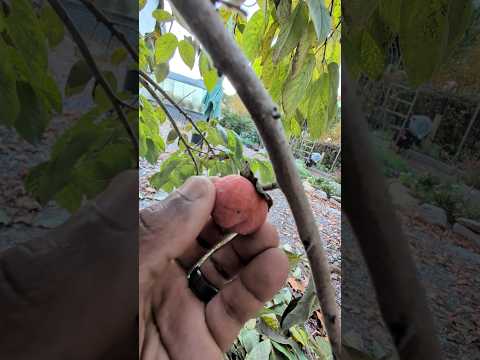
Discover the peculiarities of persimmons, their ripening process, and how to handle them correctly to avoid the fear of eating them prematurely.

At a glance
Key Takeaways

Understanding Ripeness
Astringent persimmons must be fully soft before eating, while non-astringent can be enjoyed when firm.
Harvesting Tips
Timing and technique are crucial—wait for the right color and softness.
As the temperatures drop and the leaves begin to change, many gardeners find themselves facing the question of when to harvest their persimmons. This delicious fruit, often overlooked, can be both a delight and a source of confusion. In this article, we'll explore the nuances of persimmon care, the risks associated with premature harvesting, and how to ensure a bountiful and tasty harvest.
Understanding Persimmons
Persimmons are a unique fruit that can vary greatly in flavor and texture depending on their ripeness. There are two main types: astringent and non-astringent. Astringent persimmons, like the Hachiya variety, must be fully ripe before eating, while non-astringent types, such as Fuyu, can be enjoyed while still firm. Understanding these differences is crucial for any gardener looking to cultivate this rewarding fruit.
In addition to their taste, persimmons are rich in nutrients, including vitamins A and C, fiber, and antioxidants. These attributes not only make them a delicious addition to your diet but also contribute to overall health. The trees themselves are hardy and can thrive in a variety of climates, making them a suitable choice for many gardeners.
Ripening Process
The ripening process of persimmons is crucial. When temperatures dip below 27°F, your persimmon tree may experience stress, which can affect fruit quality. It’s essential to monitor the weather and harvest your fruit accordingly. The environmental conditions leading up to harvest can greatly influence the fruit's flavor profile.
Persimmons continue to ripen after being picked, particularly when stored at room temperature. For best results, pick the fruit when it's just starting to soften and has turned a vibrant orange color. This ensures you will have the sweetest flavor and best texture when consumed.
How to Tell When Persimmons Are Ripe
- Astringent Varieties: Wait until they are soft and fully orange. The skin should feel slightly pliable to the touch.
- Non-Astringent Varieties: These can be eaten while still firm, but they are best when slightly soft. Look for a glossy skin and a bright orange hue.
Additionally, it’s helpful to note that the flavor will continue to develop even after harvesting. If you're unsure, you can always taste a small piece to check for sweetness.
Harvesting Tips
When it comes to harvesting persimmons, timing is everything. Here are some tips to ensure you pick them at the right moment:
- Check the color: Look for a vibrant orange hue that indicates ripeness.
- Gently squeeze: If it gives slightly, it’s likely ripe. A hard persimmon is still unripe and should be left on the tree.
- Use pruning shears to cut the fruit from the tree, leaving a small stem attached. This prevents bruising and damage to the fruit.
After harvesting, it’s essential to handle your persimmons with care. Store them in a cool, dry place away from direct sunlight to prolong freshness.
Common Mistakes to Avoid
One of the most common mistakes gardeners make is harvesting astringent persimmons too early, leading to a bitter taste that can deter even the most adventurous eaters. Additionally, failing to monitor weather conditions can result in stress on the tree and poor fruit quality.
How to Store Persimmons
If you’ve harvested your persimmons early, store them at room temperature to allow them to ripen further. Once fully ripe, they can be refrigerated to extend their shelf life. Here are some best practices for storing your persimmons:
- Avoid stacking them on top of each other to prevent bruising.
- Use a breathable container, such as a cardboard box or a mesh bag, to allow airflow.
- Check regularly for any signs of spoilage, such as soft spots or mold, and remove any affected fruits immediately.
By following these storage tips, you can enjoy your persimmons for several weeks after harvest.
Conclusion
With the right knowledge and care, you can enjoy a delicious harvest of persimmons without fear. Keep an eye on the weather and your fruit’s ripeness, and you’ll be rewarded with sweet, luscious persimmons that can be enjoyed fresh, in desserts, or even in savory dishes.
Persimmons can also be used in various recipes, from salads to smoothies and even baked goods. Their unique flavor adds a delightful twist to many dishes. So, don’t hesitate to experiment in the kitchen once you’ve harvested your fruit!
In summary, understanding the characteristics of persimmons, their ripening process, and the best practices for harvesting and storing them will ensure that you can enjoy this delightful fruit throughout the fall and winter months.
Photos from this idea
Helpful products for this project
These products were matched to the materials, tools, and care steps discussed in the article.
- Bird Netting for Garden, 26 x 49FT Heavy Duty Anti Bird Netting Mesh with Ties and Landscape Staples for Vegetable, Fruit Trees & Other Plants, Lasting Against Birds Squirrels and Poultry, Black - View Product: HDPE Material: Different from traditional nylon and polypropylene (PP) materials, RIFNY bird netting made from high...
- Fiskars Bypass Pruning Shears, 5/8" Cut Capacity Garden Clippers | Self-Cleaning Sap Groove Prevents Sticking, Non-Slip Grip for Cutting Stems & Branches, Steel Blades w/ Low-Friction Coating - View Product: CLEAN CUTS FOR LIVE GROWTH: Bypass blade design is ideal for pruning delicate flower stems and green growth, helping...
Source: Watch the original YouTube Short.
Shop this guide
Affiliate Picks
Tools & supplies I use and recommend


As an affiliate, junecity.studio may earn from qualifying purchases at no additional cost to you.
Keep growing
Suggested reading

One Last Garden Scrape Before Winter Hits Connecticut! 🥕🌶️
As winter approaches, it's time to gather the last of your garden's bounty. Here’s how to effectively scrape your garden before the frost sets in, ensuring a successful end to the growing season.

How I Heat My Greenhouse Without Electricity in Connecticut!
Winter in Connecticut demands practical solutions for greenhouse heating. Discover how to keep your greenhouse warm without relying on electricity, using efficient gas heaters, ventilation techniques, and best practices.
0 comments
Comments (0)
We love hearing from our community. Share your thoughts, questions, or experience.
Have something to add?
Log in to post, react, share images, and join threads.
Newest First
All Comments
Showing 0-0 of 0
Start the conversation.
Questions and first-hand experience are welcome here.