
One Last Garden Scrape Before Winter Hits Connecticut! 🥕🌶️

As winter approaches, it's time to gather the last of your garden's bounty. Here’s how to effectively scrape your garden before the frost sets in, ensuring a successful end to the growing season.

With winter fast approaching in Connecticut, it’s essential to prepare your garden for the cold months ahead. One of the final tasks on your gardening checklist should be scraping your garden for the last harvest. This article will guide you through the process of gathering the remaining vegetables, like carrots and peppers, ensuring you make the most of what you've grown.
Why Scraping Your Garden Matters
Scraping or clearing your garden before the frost is crucial for several reasons:
- Prevent Disease: Leaving old plants can lead to diseases and pests overwintering in your garden. By removing these plants, you can significantly reduce the risk of infestations and ensure a healthier environment for your soil and remaining plants.
- Maximize Harvest: Gather the last of your crops before they are damaged by frost. Vegetables like carrots and peppers can be quite resilient, but a sudden drop in temperature can ruin their flavor and texture.
- Soil Preparation: Clearing your garden prepares the soil for winter amendments and spring planting. Healthy soil is the foundation of a successful garden, and winter is the perfect time to replenish nutrients and improve soil structure.
What to Gather
As you prepare to scrape your garden, focus on the following crops:
- Carrots: These root vegetables can often remain in the ground until the frost hits. They may even taste sweeter after a light frost, but it’s best to harvest before the ground freezes solid.
- Peppers: If you have any peppers that are still green or ripening, make sure to pick them before frost damages them. Peppers can be picked at any stage of ripeness, so don’t hesitate to gather them all.
- Any remaining herbs: Herbs like basil, cilantro, and parsley can usually be harvested until a hard frost. They can be dried or frozen for use throughout the winter months.
Steps to Scrape Your Garden
- Assess Your Garden: Take a look at what is still growing and decide what to keep and what to harvest. Make a plan for which crops you want to prioritize based on their readiness and the impending weather forecast.
- Gather Supplies: You’ll need a shovel, garden fork, and a basket or container for your harvest. It’s also helpful to have gloves and a bucket for any debris you’ll be clearing away.
- Harvest Carefully: Use your shovel or fork to gently loosen the soil around your plants, being careful not to damage them. For root vegetables like carrots, wiggle them gently to dislodge them from the soil.
- Store Your Harvest: Place your harvested vegetables in a cool, dry location to prolong their freshness. Carrots can be stored in damp sand or peat moss to keep them crisp, while peppers should be kept in a well-ventilated space.
- Clear the Area: Remove any dead or diseased plants and debris to prevent issues in the next growing season. Compost any healthy plant material, but dispose of diseased plants to avoid spreading pathogens.
Tips for a Successful Harvest
Here are some tips to ensure your garden scraping is effective:
- Timing is Key: Aim to scrape your garden before the first hard frost. Monitor local weather forecasts to plan your harvesting day effectively.
- Check the Weather: Pick a dry day to make the process easier. Wet soil can be more challenging to work with, and it’s easier to harvest when the ground is dry.
- Inspect Each Plant: Look for any signs of pests or disease and act accordingly. If you find any infected plants, remove them immediately to prevent the spread of issues in your garden.
- Use the Right Tools: Ensure your tools are sharp and clean. This will make the harvesting process smoother and minimize damage to the plants.
- Take Your Time: Rushing through the harvest can lead to mistakes and damage. Take your time to carefully assess and gather your crops.
Common Mistakes to Avoid
Many gardeners make the mistake of leaving their plants too late, resulting in frost damage. Always monitor the weather and be proactive in harvesting!
Other common mistakes include:
- Ignoring Soil Health: Failing to clear old plants can lead to soil depletion and increased pests in the future. Always take the time to prepare your soil for the next season.
- Harvesting Too Late: Waiting too long to harvest can result in crop loss. Be vigilant about the weather and harvest promptly.
- Not Planning for Next Season: Use this time to reflect on what worked well and what didn’t in your garden this year. Make notes for improvements next season.
Next Steps After Scraping
Once you’ve scraped your garden, consider the following actions:
- Add Mulch: Cover your soil with mulch to protect it from winter elements. Mulch helps retain moisture and prevents soil erosion during the winter months.
- Plan for Next Season: Take notes on what worked well and what didn’t to improve your garden for next year. Consider what crops you want to focus on and any new techniques you want to try.
- Consider Winter Crops: If you have the space, think about planting some winter crops that can withstand the cold. Options like kale and certain varieties of garlic can thrive through the winter.
- Prepare Your Tools: Clean and store your gardening tools for the winter. This will help extend their life and make them ready for use when spring comes.
- Reflect on Your Gardening Practices: Take some time to evaluate your gardening methods and consider new strategies or resources that can help you in the future.
FAQ
- What should I do if it snows before I can harvest?
Try to gently brush off the snow and harvest as soon as conditions allow. Snow can insulate plants, but prolonged cold can damage them. If you can’t access your garden, wait until the snow melts and then proceed with caution.
- Can I leave some plants in the ground over winter?
Yes, some hardy vegetables like kale and brussels sprouts can survive through winter, but make sure to cover them for protection. Row covers or blankets can help shield these plants from extreme weather.
- What should I do with leftover plant debris?
Healthy plant debris can be composted to enrich your soil for next season. However, any diseased plants should be disposed of properly to prevent spreading pathogens.
- How can I improve my soil for next year?
Consider adding organic matter, such as compost or well-rotted manure, to your soil. This will enhance its structure and provide vital nutrients for your plants.
- Are there any plants I can start indoors for early spring planting?
Yes! Many vegetables, such as tomatoes and peppers, can be started indoors in late winter to get a jumpstart on the growing season.
By following these steps, you'll ensure that your garden is in great shape for the winter while maximizing your harvest. Happy gardening!
Photos from this idea
Helpful products for this project
These products were matched to the materials, tools, and care steps discussed in the article.
- Plant Cleaning Wipes by Southside Plants - Gentle, Plant-Based Wipes for Shiny Leaves and Better Photosynthesis - Unscented, Extra Thick Waffle Weave Leaf Wipe for Indoor & Outdoor Plants - 80 Ct - View Product: Clean Leaves for Healthy, Happy Plants & Air - Removing dust, dirt, pollution, and water spots from your houseplants...
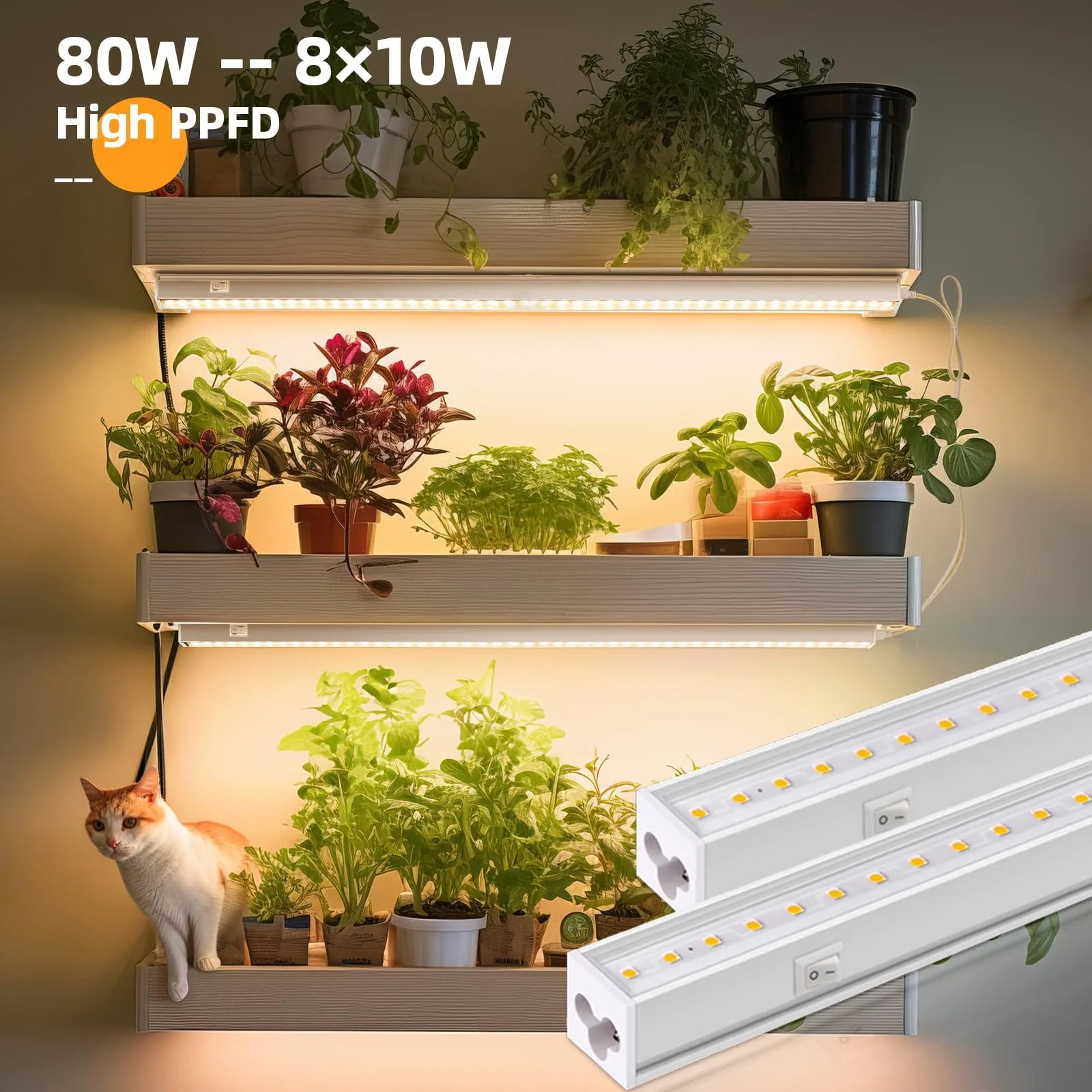
- Barrina T5 Grow Lights for Indoor Plants, Full Spectrum, 2FT, 8 Packs | 80W (8 x 10W) LED Grow Light, Linkable Plant Lamp for Indoor Growing, Seed Starting, Vegetables and Greens, Pinkish White - View Product: Full Spectrum (Pinkish White Color): Barrina T5 grow lights 2ft provide indoor plants with full-spectrum sunlight...
Source: Watch the original YouTube Short.
Keep exploring
Find more Junecity guides
Browse practical gardening, outdoor living, and DIY articles.Browse the blogShop this guide
Affiliate Picks
Tools & supplies I use and recommend


As an affiliate, junecity.studio may earn from qualifying purchases at no additional cost to you.
Keep growing
Suggested reading

The Tiniest “Orange” Growing in Connecticut 🍊❄️ #FlyingDragon #HardyOrange #ConnecticutGarden
Discover the fascinating story of the Flying Dragon, a hardy orange tree thriving in Connecticut's winters. Learn about its unique characteristics, care tips, and how to grow this extraordinary citrus in your own garden.
How to Build an Indoor Growing Shelf for Winter: A Complete Beginner's Guide
Build a simple indoor growing shelf for winter seed starting: LED lights, shelving, timers, airflow, and seedling care, step by step.
0 comments
Comments (0)
We love hearing from our community. Share your thoughts, questions, or experience.
Have something to add?
Log in to post, react, share images, and join threads.
Newest First
All Comments
Showing 0-0 of 0
Start the conversation.
Questions and first-hand experience are welcome here.