
The Grafting Tools I Actually Use
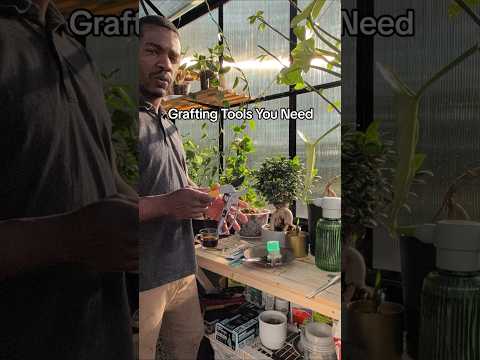
Discover the essential tools for successful grafting in your garden. This guide covers everything from knives to zip ties, ensuring you're well-prepared for your grafting projects.
Introduction to Grafting Tools
Grafting is a technique that can elevate your gardening game, allowing you to combine the best traits of different plants. However, to achieve successful grafting, having the right tools is crucial. In this article, I’ll share the essential grafting tools I use, ensuring you’re well-equipped for your next gardening project.
Why the Right Tools Matter
Using the proper tools not only makes grafting easier but also increases your chances of success. With the right equipment, you can perform clean cuts and secure connections, which are vital for the grafting process.
Essential Grafting Tools
- Grafting Knife: A sharp grafting knife is essential for making precise cuts. I recommend the NAYE Grafting Gardening Knife, which features both curved and straight blades for versatility.
- Pruners: A good pair of pruners is necessary for preparing your plants and ensuring clean cuts. This will help minimize damage to your plants and improve grafting success.
- Caliper: Measuring the diameter of the stems you’re grafting is crucial. A digital caliper can help you get accurate measurements, ensuring a snug fit between the graft and the rootstock.
- Grafting Tape: This is used to secure your grafts and protect them from moisture loss. Using high-quality grafting tape can make a significant difference in the survival rate of your grafts.
- Zip Ties: I use both metal and nylon zip ties for securing grafts. The Metal Zip Ties are particularly durable and weather-resistant, making them ideal for outdoor use.
- Labels and Markers: Keeping track of your grafts is essential for monitoring progress. Use durable labels and a permanent marker to note the date and type of graft.
Common Mistakes to Avoid
Even with the right tools, there are common pitfalls to be aware of:
- Not sterilizing tools can lead to infections in plants.
- Using dull tools makes rough cuts, increasing the chance of graft failure.
- Failing to secure grafts properly can lead to moisture loss and exposure to pests.
Maintenance of Your Tools
To ensure longevity and effectiveness, maintain your tools by:
- Regularly sharpening blades to maintain clean cuts.
- Cleaning tools after each use to prevent disease spread.
- Storing tools in a dry place to avoid rust and deterioration.
Conclusion
With the right tools at your disposal, grafting can be a highly rewarding gardening technique. Equip yourself with the essentials, and you’ll be on your way to creating beautiful, resilient plants that thrive in your garden.
FAQs
- What is the best time to graft? Spring is generally the best time to graft, as plants are actively growing.
- Can I use regular tape instead of grafting tape? Regular tape may not be suitable, as it can retain moisture and cause rot.
Products mentioned in this video
Matched junecity.studio affiliate resources from the video context.
- Armpow 12 Inch Zip Ties Black 1000 PCS, 60 Lbs- Heavy Duty Tensile Strength, Nylon PA66 UV Resistant Cable Ties for Indoor and Outdoor Use - Ideal for object bundling and fastening - View Product: 【Zip Tie Details】 Specifications Length: 12in | Width: 0.18in | Maximum Diameter...
Source: Watch the original YouTube Short.
Keep exploring
Find more Junecity guides
Browse practical gardening, outdoor living, and DIY articles.Browse the blogKeep growing
Suggested reading

Tomorrow Decides Who Wins the Lemon Tree 🍋
Explore the strategy behind winning a lemon tree in a competitive treasure hunt. Learn tips for caring for your own lemon plants and optimizing their growth.

A Jamaican Favorite Is Blooming in Connecticut! 🇯🇲
Discover how to grow the delicious naseberry tree in Connecticut, embracing a piece of Jamaican culture right in your backyard. Learn about the unique conditions, care tips, and the joy of witnessing this tropical fruit bloom in northern climates.
0 comments
Comments (0)
We love hearing from our community. Share your thoughts, questions, or experience.
Have something to add?
Log in to post, react, share images, and join threads.
Newest First
All Comments
Showing 0-0 of 0
Start the conversation.
Questions and first-hand experience are welcome here.