
These Tomatoes Are Trying to Touch the Moon! 🍅🌙

Discover how to build an impressive 8-foot tower for your climbing tomato plants and maximize your garden's yield with practical tips and tricks.

Growing tomatoes can be a rewarding experience, especially when they reach impressive heights. In this guide, we’ll explore how to create an 8-foot tower to support your climbing tomato plants, ensuring they thrive and produce bountiful harvests.
Why Climbing Tomatoes?
Climbing tomatoes, or indeterminate varieties, continue to grow and produce fruit throughout the growing season, making them ideal for vertical gardening. By training them to climb, you not only save space but also improve air circulation and reduce the risk of diseases. Vertical gardening is particularly beneficial for small spaces, allowing you to maximize your yield and create a visually stunning garden.
Materials You Will Need
- Sturdy stakes or poles (8 feet in height)
- Plant ties or clips
- Garden twine or string
- Soil and compost
- Tomato plants (varieties of your choice)
Building Your Tomato Tower
- Choose Your Location: Find a sunny spot in your garden where your tomatoes can get at least 6-8 hours of sunlight daily. Tomatoes thrive in warm conditions, so selecting the right spot is crucial.
- Prepare the Soil: Enrich your garden soil with compost to provide essential nutrients for your tomato plants. A soil test can help determine pH and nutrient levels, guiding your amendments.
- Install the Stakes: Drive your 8-foot poles into the ground about 2-3 feet apart, ensuring they are stable and secure. You can also use a T-post or a wooden trellis for better support.
- Plant Your Tomatoes: Plant your tomato seedlings at the base of the stakes, burying them deep for strong root development. This encourages a robust root system, which is vital for nutrient absorption.
- Support the Plants: As your plants grow, use plant ties to attach the stems to the stakes, allowing them to climb as they reach for the sun. Regularly check for growth and adjust ties as needed to avoid damaging the stems.
Care and Maintenance
Water your tomatoes consistently, keeping the soil moist but not soggy. Tomatoes require about 1-2 inches of water per week, so adjust based on rainfall and temperature. Fertilize every few weeks with a balanced fertilizer to encourage healthy growth. Organic options like fish emulsion or compost tea can be beneficial, providing nutrients without the risk of chemical buildup.
Pruning is also essential for maintaining healthy plants. Remove suckers that grow in the joint between the stem and a branch, as they can divert energy from fruit production. Aim for an open center in your plant to improve airflow and sunlight penetration.
Common Mistakes to Avoid
- Neglecting to provide support early on can lead to broken stems and damaged plants.
- Overcrowding plants can inhibit growth and airflow, leading to increased disease risk.
- Failing to monitor for pests and diseases can result in lost yields. Regularly inspect your plants for signs of trouble.
- Inconsistent watering can cause blossom end rot and split fruit. Establish a watering schedule that accommodates your plants’ needs.
Key Takeaways
- Height Matters: Building a tall support system allows for better air circulation and sunlight exposure, crucial for healthy tomato growth.
- Consistent Care: Regular watering and feeding are crucial for healthy tomato plants. Develop a routine that allows for timely attention to your plants.
- Watch for Pests: Keep an eye out for pests such as aphids and spider mites, and take action promptly to prevent infestations.
Conclusion
With the right support and care, your climbing tomatoes will not only reach for the moon but will also reward you with delicious fruits throughout the growing season. Start your vertical garden today and enjoy the benefits of space-saving gardening! Remember, gardening is a journey, and each season offers new lessons and rewards.
FAQs
- How often should I water my tomatoes? Water your tomato plants consistently, ensuring the soil remains moist but not waterlogged. Use mulch to help retain moisture.
- What are the best varieties for climbing? Look for indeterminate varieties such as 'Sweet 100' or 'Cherokee Purple' for optimal climbing results. These varieties are known for their vigorous growth and high yields.
Photos from this idea
Helpful products for this project
These products were matched to the materials, tools, and care steps discussed in the article.
- 10 Pack Tomato Roller Hooks with 49.2FT String,Tomato Roller Hooks for Greenhouse,Plant,Flower Vine Crop Trellis Kit - View Product: High Quality Material:Our tomato hooks are made of robust rope and iron...
- Pink Guava Cutting – Approx. 1 Foot Tall – From a Mature Plant - Checkout: Grow your own delicious tropical fruit with this healthy Pink Guava live plant...
- BN-LINK Durable Seedling Heat Mat for Seed Starting 10" x 20.75", Waterproof Warming Mat Plant Heating Pad for Seed Germination, Indoor Growing, Hydroponic, Greenhouse, ETL Listed - View Product: IDEAL GERMINATION TEMPERATURE: The BN-LINK seedling heat mat helps maintain...
- Just Good Soil Essential Nutrient Protocol - 3-Step Soil Food System for Organic & Regenerative Gardening, Organic Plant Food & Soil Enhancer for Home Gardening - Sprout_01, Rise_02 & Replenish_03 - View Product: COMPLETE 3-STEP SOIL FOOD SYSTEM: Includes Sprout_01 Soil Life Kickstarter...
- FANDAMEI 300 PCS Plant Support Clips, Plastic Garden Plant Ties, Tomato Clips Trellis for Tomato Cucumber Flower Squash Vine, 1” Inner Diameter for Climbing Plants - View Product: Large Quantity & High Quality Tomato Clips: Total 300 pcs plant support clips...
Source: Watch the original YouTube Short.
Keep exploring
Find more Junecity guides
Browse practical gardening, outdoor living, and DIY articles.Browse the blogKeep growing
Suggested reading

My Backyard Tomato Factory Is Out of Control 🍅
Discover how to maximize your tomato harvest with effective trellising and care strategies. This guide covers everything from plant support to common mistakes, ensuring a bountiful yield.
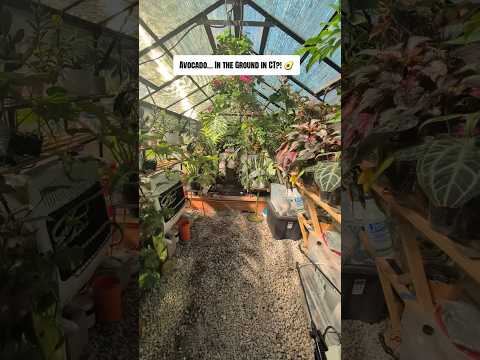
Can I Grow an Avocado Tree in the Ground in Connecticut?
Discover the ins and outs of growing an avocado tree in Connecticut, including suitable conditions, care tips, and potential challenges.
0 comments
Comments (0)
We love hearing from our community. Share your thoughts, questions, or experience.
Have something to add?
Log in to post, react, share images, and join threads.
Newest First
All Comments
Showing 0-0 of 0
Start the conversation.
Questions and first-hand experience are welcome here.