
I Harvested Nectarines AND a New Tree! 😳🍑

Explore the fascinating process of air layering, a technique that allows you to harvest nectarines while simultaneously propagating a new fruit tree.
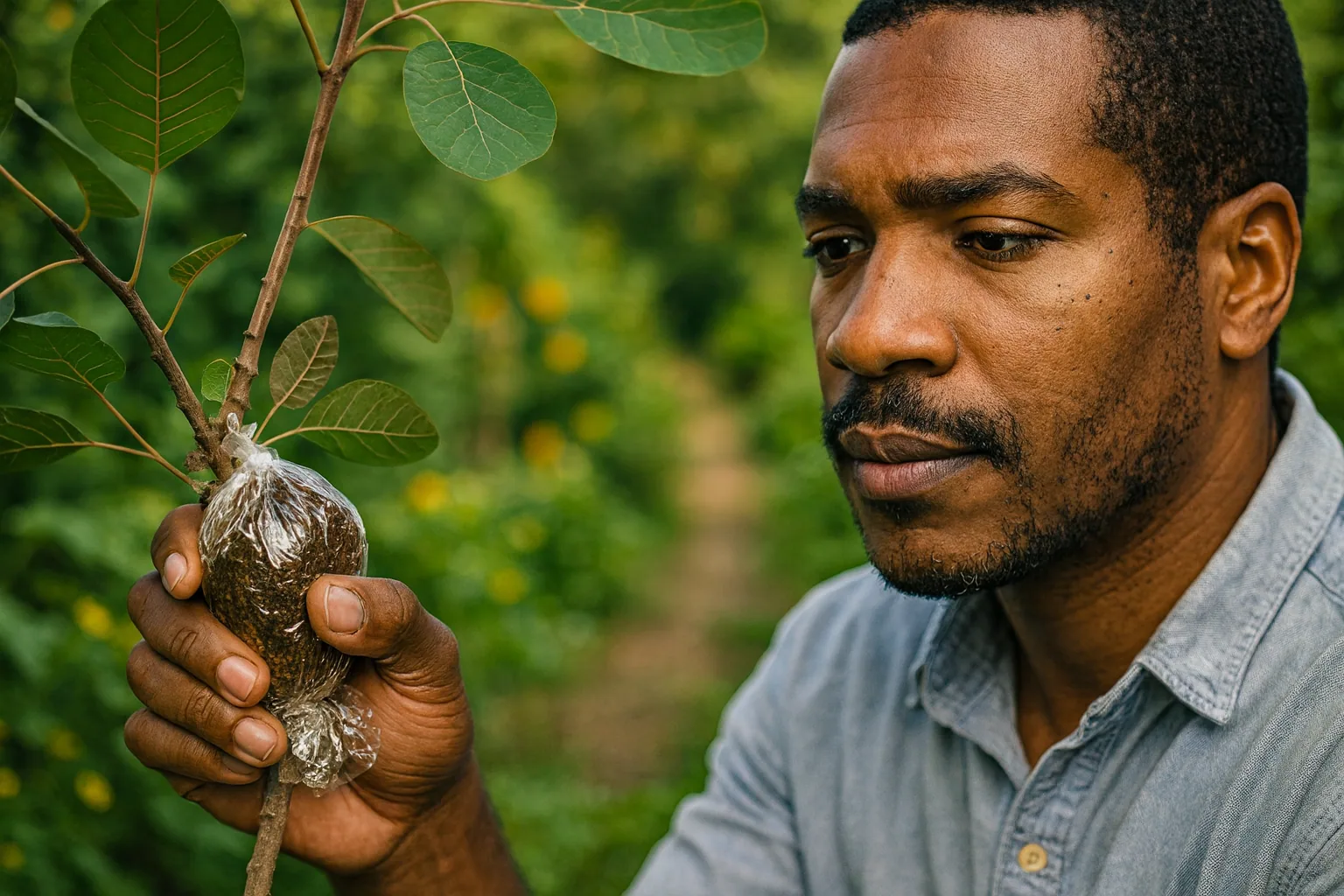
Introduction to Air Layering
Have you ever wanted to enjoy the fruits of your labor while simultaneously growing a new tree? Air layering is a unique propagation method that allows you to do just that! In this post, we'll delve into the process of air layering a nectarine tree, providing you with all the insights needed to successfully harvest fruit and propagate a new tree at the same time.
What You Need for Air Layering
- Clonex Rooting Gel: Enhances root development during the air layering process.
- NAYE Grafting Gardening Knife: Essential for making precise cuts.
- Moisture-retaining material: Such as sphagnum moss or peat.
- Plastic wrap or aluminum foil: To cover the grafting site and retain moisture.
- Twine or grafting tape: To secure the materials in place.
Step-by-Step Guide to Air Layering Nectarines
- Choose the Right Branch: Select a healthy branch on the parent tree that is at least one year old.
- Make the Cut: Using your grafting knife, make a circular cut around the stem about a third of the way through, then make a vertical cut upwards to create a flap.
- Apply Rooting Gel: Apply Clonex Rooting Gel to the exposed area of the branch to promote root growth.
- Wrap with Moisture-Retaining Material: Surround the cut area with moist sphagnum moss, ensuring it is well saturated.
- Cover and Secure: Wrap the moss with plastic wrap or aluminum foil and secure it with twine or grafting tape to keep moisture in.
- Check for Roots: After a few weeks, check for root development. If roots are visible through the covering, the air layering process is successful!
Benefits of Air Layering
Air layering offers several advantages over other propagation methods:
- Simultaneous Harvest: You can enjoy fresh nectarines while growing a new tree.
- Strong Root System: Plants developed through air layering often have a stronger root system compared to those propagated through cuttings.
- Less Stress on the Parent Tree: Because the branch remains attached to the parent tree, it continues to receive nutrients while rooting.
Common Mistakes to Avoid
- Insufficient Moisture: Not using enough moisture-retaining material can lead to root dehydration.
- Poor Sealing: Failing to properly seal the air layering site may result in pest intrusion or moisture loss.
Troubleshooting Air Layering Issues
If you encounter problems during the air layering process, consider the following:
- No Root Development: Check moisture levels and ensure the site is properly sealed.
- Parent Tree Stress: Avoid excessive cutting or damage to the parent plant.
Conclusion and Link to Video
Air layering is a rewarding method for propagating fruit trees, allowing you to enjoy your harvest while growing a new tree. For a visual guide, check out our YouTube video where we demonstrate this technique in action.
Photos from this idea

Helpful products for this project
Products matched to the materials, tools, and care steps discussed in this junecity.studio article.
- Clonex Rooting Gel - High-Performance Rooting Compound for Plant Cuttings, Contains IBA, Promotes Root Initiation & Development - 100ml - View Product: HIGH-PERFORMANCE ROOTING GEL - Clonex Rooting Gel is a water-based formula with...
- MEPEREZ Premium Pruning Shears For Gardening, Work 3 Times Easier, Pruners Heady Duty, Sharp Garden Clippers Cuting Florist Flower, Hedge, Herb, Rose, Indoor Live Plants, Arthritis Weak Hand Snips - View Product: 🎁STRONG CONSTRUCTION, DURABLE, SHARP FOR A LONG TIME: Made of premium materials...
- MEPEREZ Premium Germany - Steel Pruning Shears, Work 3 Times Easier, Pruners Heady Duty, Sharp Garden Clippers Cuting Florist Flower, Hedge, Herb, Rose, Indoor Live Plants, Arthritis Weak Hand Snips - View Product: 🎁WELL-MADE AND EASY TO USE: Our German-style garden clippers are a high quality...
- NAYE Grafting Gardening Knife,2-5/8" Curved Straight Blades Garden Knife for Budding Pruning,with Grafting Tape Plant Labels/Tree Tags - View Product: Razor sharp curved/straight two blade pocket grafting knife.
Source: Watch the original YouTube Short.
Keep exploring
Find more Junecity guides
Browse practical gardening, outdoor living, and DIY articles.Browse the blogKeep growing
Suggested reading
This Peach Had No Business Being This Good 🍑😳
Discover the delightful journey of growing peaches in your home garden. Learn the tips and tricks to cultivate the sweetest peaches that will elevate your gardening experience.

A Jamaican Favorite Is Blooming in Connecticut! 🇯🇲
Discover how to grow the delicious naseberry tree in Connecticut, embracing a piece of Jamaican culture right in your backyard. Learn about the unique conditions, care tips, and the joy of witnessing this tropical fruit bloom in northern climates.
2 comments
Comments (2)
We love hearing from our community. Share your thoughts, questions, or experience.
Have something to add?
Log in to post, react, share images, and join threads.
Newest First
All Comments
Showing 1-1 of 1
Abigail Murillo
VerifiedAug 13, 2026
My friend is starting to do this with the cloning balls she found on temu. I just wonder how it works when the root stock is usually different.
View 1 replyHide replies
Andre
Aug 14, 2026
Thats a great question. Not every plant air-layer well. Sometimes you have use different techniques