
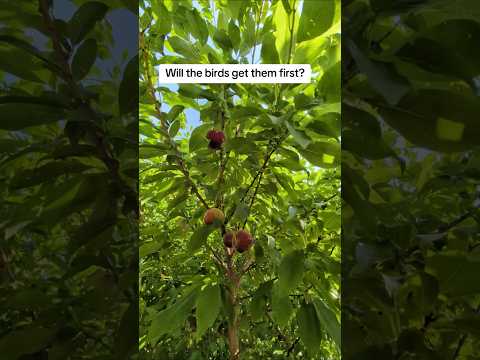
I’m Taking a BIG Chance With These Plums 😳

Explore the risks and rewards of leaving plums on the tree longer to achieve maximum sweetness, and how to protect them from pesky birds.

At a glance
Key Takeaways
Understand Ripeness
Knowing when plums are ripe is essential for a successful harvest.

Protect Against Birds
Implement protective measures to save your plums from birds.
As summer rolls into its final weeks, many of us are faced with a delightful dilemma: when to harvest the fruit from our trees. In this case, we're talking about plums — those juicy, sweet morsels that can elevate any dessert or snack. But what happens if you leave them on the tree a bit longer? Will they become sweeter, or will the birds beat you to them?
Why Timing Matters
Timing is crucial when it comes to harvesting plums. Leaving them on the tree too long can lead to bird damage or overripening. However, picking them too early can result in tartness and a lack of flavor. Here are some reasons to consider extending the growth period:
- Flavor Development: Allowing plums to remain on the tree can enhance their sweetness and overall flavor profile.
- Size Matters: The longer they stay on the tree, the larger they can grow, leading to a more satisfying bite.
- Natural Ripening: Fruits ripen naturally on the tree, which can improve texture and juiciness.
Protecting Your Harvest
However, there's always a risk involved, especially with birds being drawn to ripe fruit. Here are some strategies to protect your plums:
- Netting: Use bird netting to cover your tree and keep the birds at bay.
- Scare Tactics: Hang shiny objects or use scarecrows to deter birds from coming close.
- Timing Your Harvest: Keep a close eye on your plums and be ready to harvest as soon as they reach peak sweetness.
Common Mistakes to Avoid
When it comes to plums, here are a few common pitfalls to avoid:
- Ignoring Signs of Ripeness: Always check for color and softness before deciding to leave them on the tree.
- Neglecting Protection: Failing to protect your fruit can lead to losing the entire harvest to birds.
Next Steps
As you ponder whether to take the gamble on those plums, remember that a little patience can lead to a sweet reward. Make sure to implement protective measures and keep an eye on their ripening process. Happy gardening!
Source: Watch the original YouTube Short.
Frequently Asked Questions
Look for a change in color and softness, and consider taste testing a few.
Keep exploring
Ready to start your backyard orchard?
Check out our latest garden projects and tips.Explore Projects
Keep growing
Suggested reading
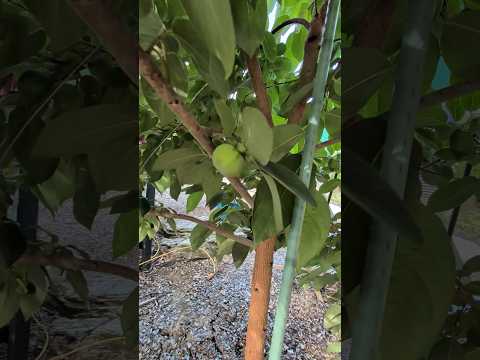
My Persimmon Tree FINALLY Produced! 👀
After three years of care, my persimmon tree has finally produced fruit! Join me as I share the journey, tips for growing persimmons, and what to expect as these fruits ripen in Connecticut.

A Jamaican Favorite Is Blooming in Connecticut! 🇯🇲
Discover how to grow the delicious naseberry tree in Connecticut, embracing a piece of Jamaican culture right in your backyard. Learn about the unique conditions, care tips, and the joy of witnessing this tropical fruit bloom in northern climates.
0 comments
Comments (0)
We love hearing from our community. Share your thoughts, questions, or experience.
Have something to add?
Log in to post, react, share images, and join threads.
Newest First
All Comments
Showing 0-0 of 0
Start the conversation.
Questions and first-hand experience are welcome here.