
Stop Wasting Fertilizer on the Leaves: A Practical Guide

Learn how to efficiently apply fertilizer directly to your plants' roots with the Root Genie, minimizing waste and maximizing growth.
Introduction
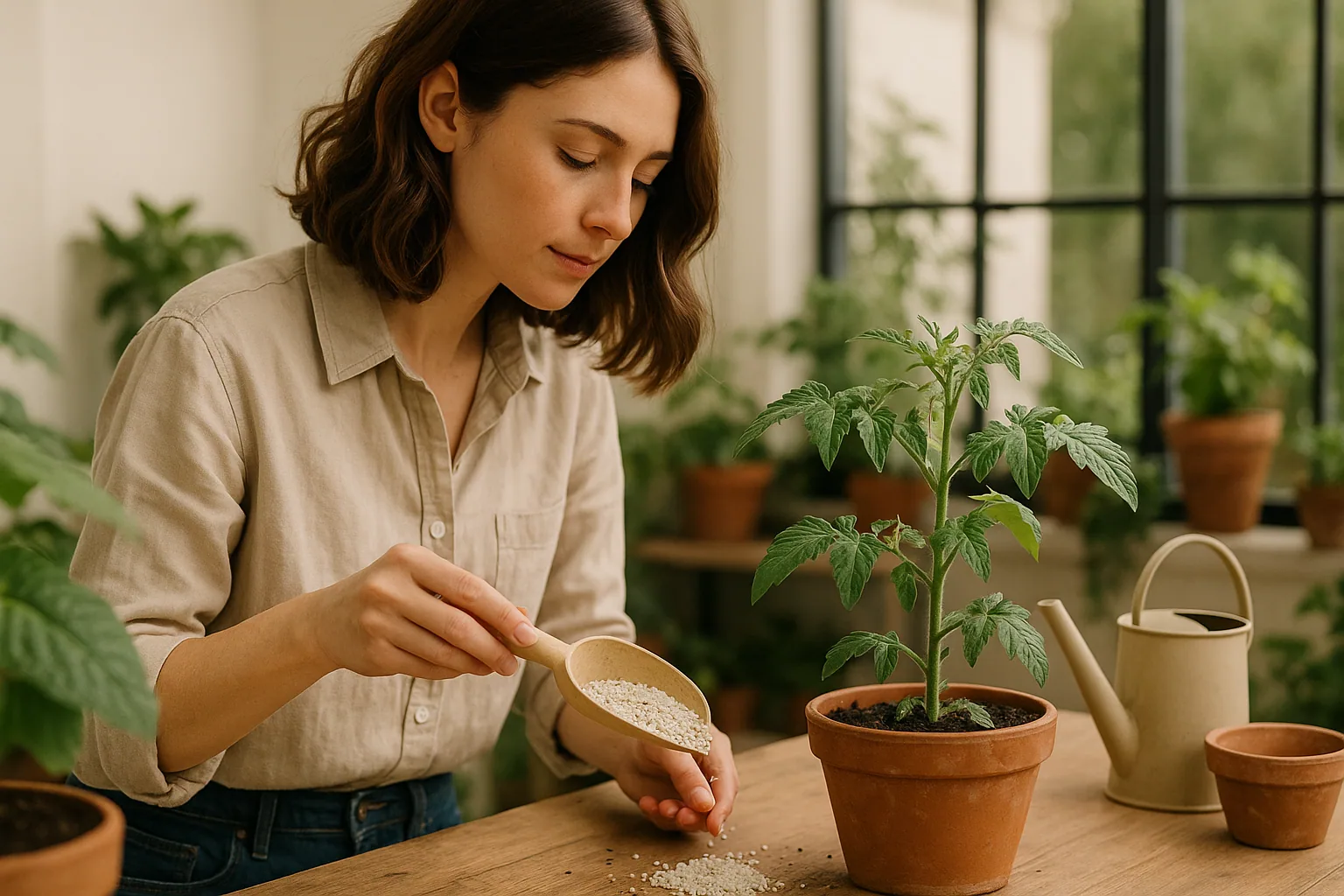
Are you tired of wasting fertilizer on your plants' leaves? Many gardeners face this common issue, which not only leads to unnecessary expenses but can also harm plant health. In this guide, we will explore effective methods to ensure that your fertilizer reaches the roots where it is needed most.
Why Target Root Feeding Matters
Applying fertilizer directly to the leaves can lead to several problems:
- Leaf Burn: Over-fertilizing leaves can cause burns and damage.
- Wasted Resources: Fertilizer that doesn’t reach the roots is effectively wasted.
- Uneven Nutrient Distribution: Plants may not receive the nutrients they need for optimal growth.
By focusing on root feeding, you can improve your plants' health while saving time and money.
Using the Right Tools
To effectively apply fertilizer at the root zone, consider using specialized tools like the Root Genie Smart Garden Fertilizing System. This tool allows you to deliver fertilizer directly to the roots, ensuring maximum efficiency and minimal waste.
Benefits of the Root Genie
- Targeted Application: Directs nutrients straight to the roots.
- Less Risk of Leaf Burn: Keeps leaves dry and healthy.
- Efficient Use of Resources: Saves both water and fertilizer.
Step-by-Step Guide to Root Feeding
- Prepare Your Fertilizer: Choose an organic fertilizer suitable for your plants.
- Set Up the Root Genie: Attach the fertilizer canister and nozzle as per the instructions.
- Apply the Fertilizer: Target the root zone directly, avoiding the foliage.
- Monitor Plant Health: Observe your plants for signs of improvement over the coming weeks.
Avoiding Common Mistakes
Here are some pitfalls to avoid when fertilizing:
- Over-Fertilizing: Always follow the recommended dosage to prevent damage.
- Ignoring Soil Quality: Ensure your soil has the right pH and nutrients before applying fertilizers.
- Neglecting Watering: Water your plants adequately after fertilization to help nutrients penetrate the soil.
Maintenance and Next Steps
After applying fertilizer, keep an eye on your plants. Regularly check for signs of growth and adjust your fertilization schedule accordingly. Remember, a well-fed plant is a happy plant!
Frequently Asked Questions
Q: How often should I fertilize my plants?
A: This depends on the type of plants and their growth stages. Generally, every 4-6 weeks during the growing season is recommended.
Q: Can I use any fertilizer with the Root Genie?
A: Yes, as long as it is suitable for your plants and designed for root feeding.
By implementing these strategies, you can optimize your gardening practices and ensure your plants thrive. For more tips and practical advice, visit our YouTube channel.
Products mentioned in this video
Matched junecity.studio affiliate resources from the video context.
- Root Genie Smart Garden Fertilizing System | attachments Include Metal Pistol Grip Spray Nozzle, Fertilizer Canister and Ball Valve | Great for All Flower, Plant, Trees and Vegetables Gardens. - View Product: Consider a plants mouth the roots.
Products mentioned in this video
These links go directly to the matched product pages for purchase.
- Root Genie Smart Garden Fertilizing System | attachments Include Metal Pistol Grip Spray Nozzle, Fertilizer Canister and Ball Valve | Great for All Flower, Plant, Trees and Vegetables Gardens. - View Product: Consider a plants mouth the roots.
Source: Watch the original YouTube Short.
Keep exploring
Find more Junecity guides
Browse practical gardening, outdoor living, and DIY articles.Browse the blogKeep growing
Suggested reading
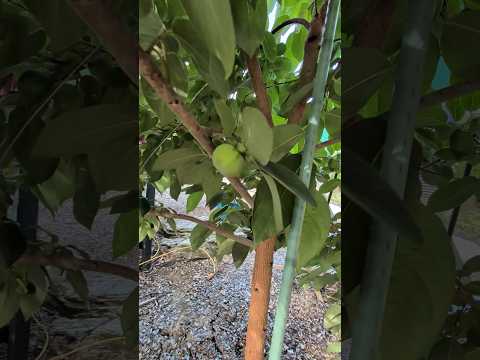
My Persimmon Tree FINALLY Produced! 👀
After three years of care, my persimmon tree has finally produced fruit! Join me as I share the journey, tips for growing persimmons, and what to expect as these fruits ripen in Connecticut.

A Jamaican Favorite Is Blooming in Connecticut! 🇯🇲
Discover how to grow the delicious naseberry tree in Connecticut, embracing a piece of Jamaican culture right in your backyard. Learn about the unique conditions, care tips, and the joy of witnessing this tropical fruit bloom in northern climates.
0 comments
Comments (0)
We love hearing from our community. Share your thoughts, questions, or experience.
Have something to add?
Log in to post, react, share images, and join threads.
Newest First
All Comments
Showing 0-0 of 0
Start the conversation.
Questions and first-hand experience are welcome here.