
The Spring Mix I Use for Huge Pears 🍐

Learn how to boost pear tree growth with a specialized fertilizer and lime mix. Discover the secrets to achieving larger, healthier pears in your backyard!

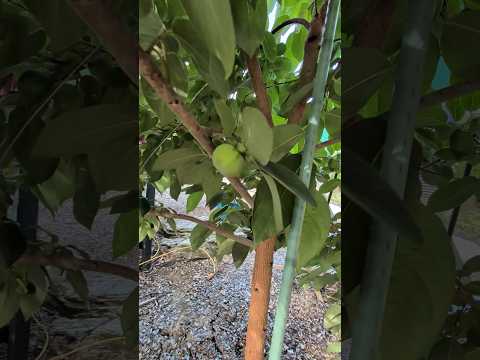
Every spring, I treat my pear tree to a special mix of fertilizer and lime that promotes vigorous growth and fruit development. This method has proven successful for me, resulting in pears that can weigh nearly a pound! In this article, I'll detail the steps I take to prepare this mix, how to apply it, and the benefits of this approach.
Why Fertilize Your Pear Trees?
Fertilizing your pear trees is essential for several reasons:
- Nutrient Boost: Trees need nutrients to grow and produce fruit. A well-balanced fertilizer can provide essential elements like nitrogen, phosphorus, and potassium.
- Improved Fruit Quality: Proper fertilization enhances the size, flavor, and overall quality of the pears.
- Healthier Trees: Healthy trees are more resistant to pests and diseases, ensuring a better yield.
Choosing the Right Fertilizer
For my pear trees, I use a specialized organic fertilizer that is rich in acid, ideal for fruit trees. I recommend looking for a product that has a balanced NPK ratio, ideally around 4-3-6. This formula helps in promoting fruiting and flowering. Here's a breakdown of what each nutrient does:
- Nitrogen (N): Essential for leaf and stem growth, nitrogen helps the tree develop a strong canopy. A robust canopy ensures that the tree can photosynthesize efficiently, which is critical during the growing season.
- Phosphorus (P): This nutrient is vital for root development and flowering. Strong roots are necessary for the tree's stability and its ability to absorb water and nutrients from the soil.
- Potassium (K): Potassium plays a crucial role in fruit quality and disease resistance. It helps the tree cope with environmental stresses, ensuring that the fruit develops to its full potential.
Recommended Products
- Down To Earth All Natural Fertilizers Organic Acid Mix - 4-3-6 - This fertilizer is blended especially for acid-loving plants, including pears. It provides the necessary nutrients to support healthy growth and fruiting.
Mixing and Applying the Fertilizer
To prepare the mix, follow these steps:
- Gather Materials: You will need the fertilizer, lime, and water. It's important to have everything ready before starting to ensure a smooth process.
- Mix the Fertilizer: Combine the recommended amount of fertilizer with lime in a bucket, following the package instructions. A general rule of thumb is to use about 1 pound of fertilizer for every 10 square feet of soil. Lime helps to balance the pH level of the soil, making it more conducive for nutrient absorption.
- Application: Spread a handful of the mixture around the base of the tree, ensuring it is evenly distributed. Avoid placing the mixture directly against the trunk, as this can cause damage.
- Watering: After applying the mix, water the area well to help the nutrients soak into the soil. This step is crucial, as it activates the fertilizer and allows the tree to begin absorbing nutrients.
Timing is Everything
The best time to apply this mix is in early spring, just as the growing season begins. This timing allows the tree to absorb the nutrients as it starts to produce new growth. Typically, aim to fertilize around the time when buds begin to swell but before they open. In many regions, this is usually late March to early April.
Monitoring Your Pear Trees
After fertilization, it's essential to monitor your pear trees for signs of growth and health. Watch for:
- New Growth: Healthy trees will begin to show new shoots and leaves shortly after fertilization.
- Flower Development: If your pear trees are healthy, you should see flowers forming in late spring, which will eventually turn into fruit.
- Fruit Size: Keep an eye on the size of the developing pears. If they appear small or misshapen, you may need to adjust your care routine.
Common Mistakes to Avoid
While fertilizing is beneficial, there are some common mistakes to watch out for:
- Over-fertilization: Too much fertilizer can harm the tree. Always follow package instructions, as over-fertilization can lead to root burn and poor fruit quality.
- Ignoring Soil pH: Pear trees thrive in slightly acidic soil (pH 6.0-6.5). Test your soil to ensure it meets this requirement. If your soil is too alkaline, consider adding sulfur or peat moss to lower the pH.
- Neglecting Watering: Fertilizer needs water to activate; without sufficient watering, the nutrients remain locked in the soil and won't be available to the tree.
Maintaining Your Pear Trees
After fertilizing, ongoing maintenance is crucial to ensure your pear trees remain healthy:
- Regular Watering: Pear trees need consistent moisture, especially during dry spells. Deep watering is preferred, as it encourages deep root growth.
- Pruning: Regular pruning helps maintain tree shape, remove dead branches, and improve air circulation. Prune in late winter or early spring before new growth starts.
- Pest Management: Keep an eye out for common pests like aphids and spider mites. Early detection and treatment can prevent serious damage to your trees.
Conclusion
By following this simple fertilization process, you can enjoy the satisfaction of growing large and delicious pears in your backyard. Remember to observe your trees and adjust your care as needed to ensure they remain healthy and productive. With a little effort and attention, you'll be rewarded with a bountiful harvest of sweet pears that you can enjoy fresh or use in various recipes.
Photos from this idea
Helpful products for this project
These products were matched to the materials, tools, and care steps discussed in the article.
- Root Genie Smart Garden Fertilizing System | attachments Include Metal Pistol Grip Spray Nozzle, Fertilizer Canister and Ball Valve | Great for All Flower, Plant, Trees and Vegetables Gardens. - View Product: Consider a plants mouth the roots.
- Monterey Horticultural Oil Bundled with Measuring Spoon - Treatment for Control of Insects - OMRI Listed - 1 Gallon - View Product: NSECT KILLER - This pest control is great for use on aphids, leaf miners, thrips...
- NAYE Grafting Gardening Knife,2-5/8" Curved Straight Blades Garden Knife for Budding Pruning,with Grafting Tape Plant Labels/Tree Tags - View Product: Razor sharp curved/straight two blade pocket grafting knife.
- Down To Earth All Natural Fertilizers Organic Acid Mix - 4-3-6, 1 lb - View Product: This fertilizer is blended especially for acid lovers such as rhododendrons...
- Down To Earth All Natural Fertilizers Organic Prilled Dolomite Lime - 5 lb - View Product: Raises Soil pH Naturally: Helps correct acidic soils for optimal nutrient uptake.
Source: Watch the original YouTube Short.
Keep exploring
Find more Junecity guides
Browse practical gardening, outdoor living, and DIY articles.Browse the blogKeep growing
Suggested reading
My Persimmon Tree FINALLY Produced! 👀
After three years of care, my persimmon tree has finally produced fruit! Join me as I share the journey, tips for growing persimmons, and what to expect as these fruits ripen in Connecticut.

I Waited Almost a YEAR for This Lemon 🍋😳
After nearly a year of careful nurturing, the moment has finally arrived to harvest my Ponderosa lemon. Join me as I share the journey of growing this fragrant fruit and the joy it brings to my greenhouse.
0 comments
Comments (0)
We love hearing from our community. Share your thoughts, questions, or experience.
Have something to add?
Log in to post, react, share images, and join threads.
Newest First
All Comments
Showing 0-0 of 0
Start the conversation.
Questions and first-hand experience are welcome here.