
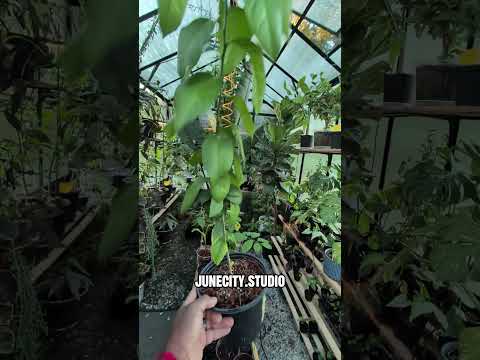
This 9-Foot Rubber Plant Is Becoming My Greenhouse Canopy 🌿

Transform your greenhouse with a stunning rubber plant canopy. Discover tips and tricks to train your plants effectively and create a lush green ceiling.


At a glance
Key Takeaways

Create a Stunning Greenhouse Canopy
Transform your greenhouse with a lush rubber plant canopy.

Regular Maintenance is Key
Consistent care helps your rubber plant thrive.

Watch Out for Common Mistakes
Be mindful of watering and light needs.
Creating a beautiful living canopy in your greenhouse can enhance not only the aesthetic appeal but also the microclimate for your plants. In this article, we’ll explore how to train a 9-foot rubber plant (Ficus elastica) to grow across your greenhouse ceiling, alongside other climbing plants like pothos and dragon fruit. This guide provides practical steps, tips, and troubleshooting advice to help you achieve a lush and vibrant space.
Why Train a Rubber Plant in Your Greenhouse?
The rubber plant is a popular choice for gardeners looking to add a touch of greenery to their indoor spaces. Its large, glossy leaves not only add beauty but also contribute to improved air quality. When trained to grow across the ceiling of your greenhouse, it can help create a unique microclimate that benefits other plants. Here are some reasons why you might consider this project:
- Aesthetic Appeal: A rubber plant canopy provides a visually stunning green ceiling, creating a serene environment. The lush foliage creates a tranquil atmosphere that can enhance your gardening experience.
- Improved Microclimate: The leaves of the rubber plant can help maintain humidity levels and filter light for other plants below. This can be especially beneficial in a greenhouse where temperature fluctuations can affect plant health.
- Space Utilization: Training plants upwards allows for better utilization of vertical space in your greenhouse. This is particularly important for those with limited ground space, as it allows you to maximize your gardening potential.
Getting Started: Tools and Materials
Before you begin, gather the necessary tools and materials:
- Support structures (trellis, hooks, or wires) to guide the growth of your plant.
- Plant ties or clips to secure the stems to the support structures.
- Quality soil and potting mix appropriate for rubber plants.
- A watering can to keep the plant adequately hydrated.
- Fertilizer (optional), to provide essential nutrients during the growing season.
- Pruning shears for maintenance and shaping of your rubber plant.
- A moisture meter to monitor soil conditions and prevent overwatering.
Step-by-Step Guide to Training Your Rubber Plant
- Choose the Right Location: Select a spot in your greenhouse where the rubber plant will receive adequate light but not direct sunlight, which can scorch the leaves. Ideally, aim for a location that receives bright, indirect sunlight for a few hours each day.
- Prepare the Plant: If your rubber plant is in a pot, ensure it has enough space to grow. Consider repotting if necessary. A larger pot can provide more room for root expansion, which is crucial for larger plants.
- Install Support Structures: Install a trellis or hooks near the ceiling of your greenhouse where you want the plant to climb. Make sure the support structures are sturdy enough to hold the weight of the plant as it grows.
- Begin Training: As the plant grows, gently guide the stems towards the support structure. Use plant ties or clips to secure them in place. Be careful not to tie them too tightly, as this can damage the stems.
- Regular Maintenance: Monitor the growth, adjusting ties as necessary and pruning any unwanted growth to encourage a fuller canopy. Regularly check the moisture levels and ensure the plant is receiving adequate light.
Common Mistakes to Avoid
Training a rubber plant can be rewarding, but there are common pitfalls to watch out for:
- Overwatering: Rubber plants prefer to dry out between waterings. Ensure good drainage to prevent root rot. Allow the top inch of soil to dry out before watering again.
- Neglecting Light Needs: Insufficient light can hinder growth. Ensure your plant receives adequate indirect light. If natural light is limited, consider using grow lights to supplement.
- Forgetting to Fertilize: While not mandatory, a balanced fertilizer can encourage growth during the growing season. Fertilize every 4-6 weeks during the growing season to provide essential nutrients.
Maintaining Your Greenhouse Canopy
Once your rubber plant is established, regular maintenance is key to ensuring your canopy remains healthy:
- Check for pests regularly and treat any infestations promptly. Common pests include spider mites and aphids, which can be managed with insecticidal soap or neem oil.
- Prune the plant to encourage bushier growth and to maintain shape. Regular pruning can help eliminate dead or yellowing leaves and encourage new growth.
- Adjust watering and fertilization based on the seasons and growth patterns. During the active growing season (spring and summer), plants may require more water and nutrients.
- Monitor humidity levels in your greenhouse. Rubber plants thrive in higher humidity, so consider using a humidifier if the air is too dry.
Key Takeaways
- Training a rubber plant creates a beautiful and functional living canopy in your greenhouse, enhancing both aesthetics and plant health.
- Regular maintenance and monitoring are essential for healthy growth, ensuring the plant thrives in its environment.
- Use appropriate support structures to guide your plants effectively, maximizing the use of vertical space.
- Be aware of common mistakes, such as overwatering and neglecting light needs, to ensure your rubber plant flourishes.
Frequently Asked Questions
- How fast does a rubber plant grow?
Rubber plants can grow quite quickly, often adding several inches in a single growing season with proper care. They can reach heights of up to 10 feet in optimal conditions.
- Can I grow other plants with my rubber plant?
Yes, rubber plants can be grown alongside other climbing plants like pothos and dragon fruit for a diverse canopy. Just ensure they have similar light and water requirements.
- What type of soil is best for rubber plants?
A well-draining potting mix is ideal for rubber plants. A blend of peat, perlite, and bark works well, providing aeration and moisture retention.
- How do I propagate a rubber plant?
Rubber plants can be propagated through stem cuttings. Take a cutting with a few leaves and place it in water or moist soil until roots develop.
Conclusion
Training a rubber plant to create a living canopy in your greenhouse is a rewarding project that can enhance the beauty and functionality of your space. With the right tools, care, and maintenance, you can enjoy a lush green ceiling that benefits both your rubber plant and any neighboring plants. By following the steps outlined in this guide and being mindful of the common mistakes, you can ensure your rubber plant thrives and transforms your greenhouse into a vibrant oasis. Happy gardening!
Photos from this idea
Helpful products for this project
These products were matched to the materials, tools, and care steps discussed in the article.
- Jocisland 14x9.5x9 FT Polycarbonate Greenhouse- 6 FT Wall Height Outdoor Aluminum Greenhouses with 2 Ventilation and Rain Gutter, Double Doors with Hook, Walk-in Greenhouse for Backyard Garden - View Product: 【Versatile Space】850 cu. Ft.
- Neem Bliss (16 Fl Oz) - Pure Neem Oil Concentrate - 100% Cold Pressed Neem Oil - All-Natural Neem Oil Concentrate - Pure Neem Oil Extract - Unrefined Neem Oil for Hair - Neem Seed Oil Concentrate - View Product: 100% Pure Neem Oil Extract - Plantonix Neem Bliss is pure, unrefined neem oil...
- Just Good Soil Essential Nutrient Protocol - 3-Step Soil Food System for Organic & Regenerative Gardening, Organic Plant Food & Soil Enhancer for Home Gardening - Sprout_01, Rise_02 & Replenish_03 - View Product: COMPLETE 3-STEP SOIL FOOD SYSTEM: Includes Sprout_01 Soil Life Kickstarter...
- Just Good Soil Essential Nutrient Protocol - 3-Step Soil Food System for Organic & Regenerative Gardening, Organic Plant Food & Soil Enhancer for Home Gardening - Sprout_01, Rise_02 & Replenish_03 - View Product: COMPLETE 3-STEP SOIL FOOD SYSTEM: Includes Sprout_01 Soil Life Kickstarter...
- Bare Essentials Living - White Kaolin Clay Powder (2 lb) 100% Natural White Powdered Clay for Seed Bombs, White Clay Mask, DIY Spa, Soap, Bath Bomb, Deodorant, Can be Used as Kaolin Clay for Gardening - View Product: 100% NATURAL WHITE KAOLIN CLAY: This pure and chemical-free kaolin clay powder is...
Source: Watch the original YouTube Short.
Frequently Asked Questions
Rubber plants can grow quite quickly, often adding several inches in a single growing season with proper care. They can reach heights of up to 10 feet in optimal conditions.
Yes, rubber plants can be grown alongside other climbing plants like pothos and dragon fruit for a diverse canopy. Just ensure they have similar light and water requirements.
A well-draining potting mix is ideal for rubber plants. A blend of peat, perlite, and bark works well, providing aeration and moisture retention.
Rubber plants can be propagated through stem cuttings. Take a cutting with a few leaves and place it in water or moist soil until roots develop.
Keep exploring
Explore More Greenhouse Projects
Discover more ways to enhance your greenhouse experience with our curated projects and tips.View Projects
Keep growing
Suggested reading
Find the Clues. Win the Lemon Tree. 🍋
Join the Junecity.studio Treasure Hunt and learn how to care for your very own Meyer lemon seedling. Discover tips, tricks, and the best practices to grow and nurture this delightful citrus tree!

A Jamaican Favorite Is Blooming in Connecticut! 🇯🇲
Discover how to grow the delicious naseberry tree in Connecticut, embracing a piece of Jamaican culture right in your backyard. Learn about the unique conditions, care tips, and the joy of witnessing this tropical fruit bloom in northern climates.
0 comments
Comments (0)
We love hearing from our community. Share your thoughts, questions, or experience.
Have something to add?
Log in to post, react, share images, and join threads.
Newest First
All Comments
Showing 0-0 of 0
Start the conversation.
Questions and first-hand experience are welcome here.